
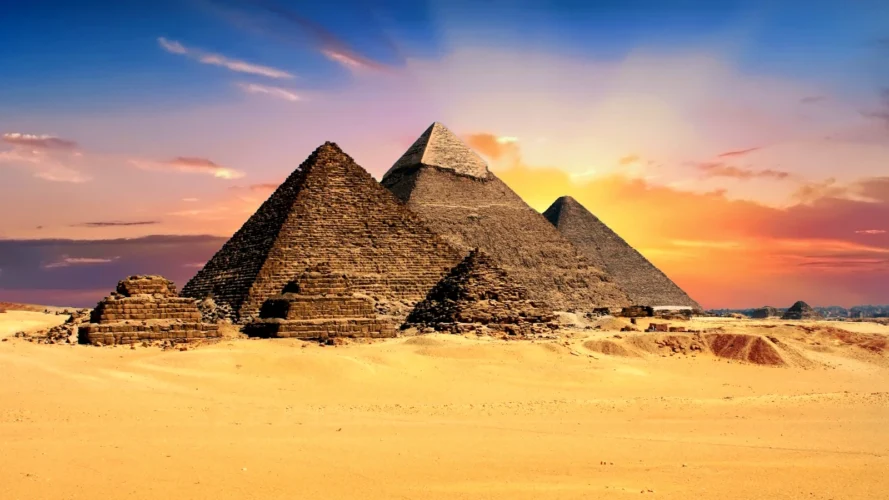
The Egyptian pyramids are some of the most famous and magnificent man-made structures in history. Built thousands of years ago, they continue to fascinate people with their grandeur, precision, and the mysteries surrounding their construction and purpose.
What are the Egyptian Pyramids?
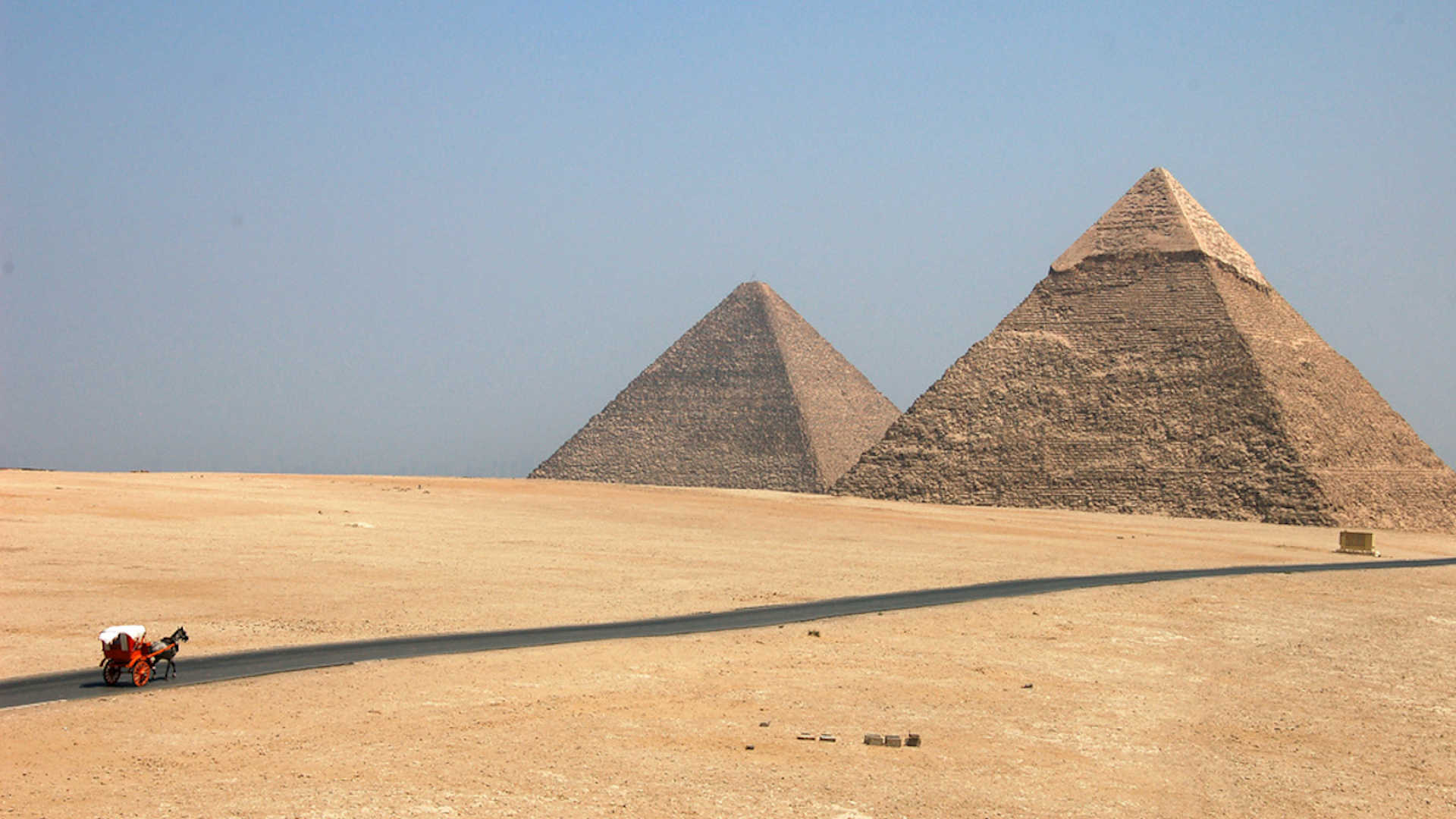
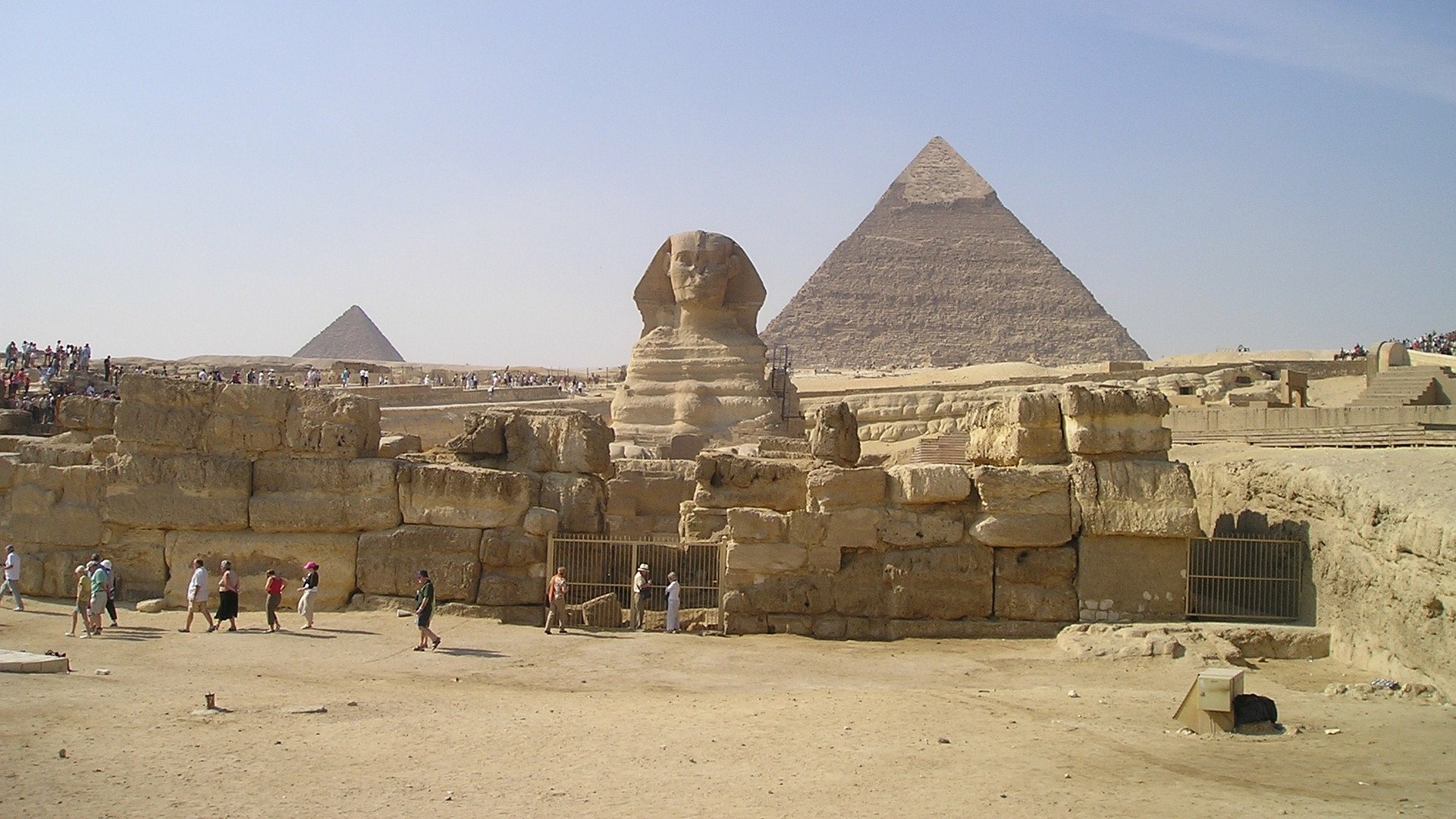
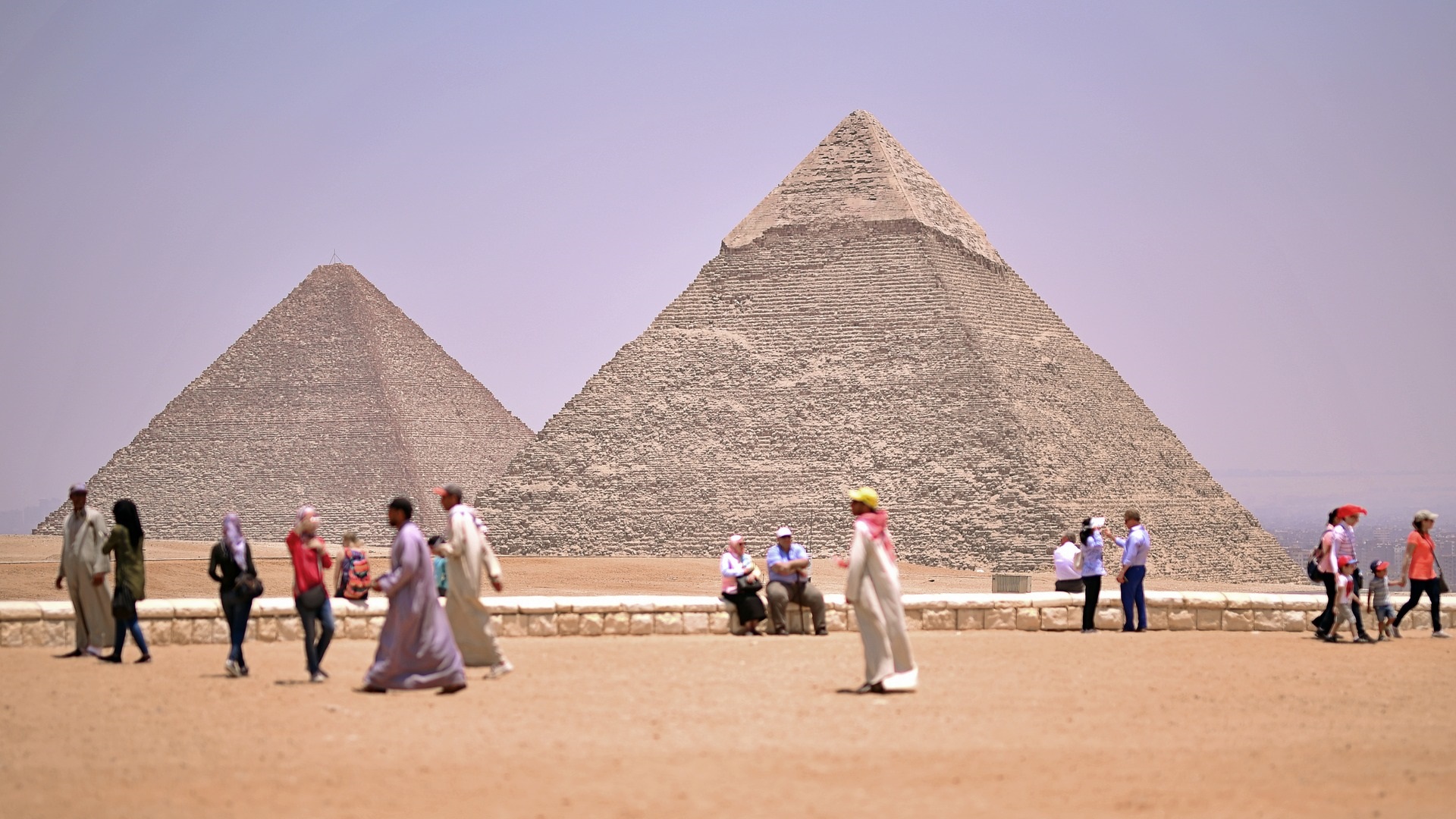
The Egyptian pyramids are ancient masonry structures located in Egypt, primarily built as monumental tombs for the pharaohs and their consorts during the Old and Middle Kingdom periods. The most famous are the three pyramids at Giza, on the outskirts of Cairo. The Great Pyramid of Giza, built for the pharaoh Khufu, is the largest of all Egyptian pyramids and the last of the Seven Wonders of the Ancient World still in existence.
Purpose and Symbolism
The primary purpose of the pyramids was to serve as tombs and to house the pharaoh’s body after death. Ancient Egyptians had a strong belief in the afterlife and the survival of the “ka,” a spirit or soul-like entity. They believed that for the “ka” to survive, it needed a physical place to rest with the king’s body. The pyramids were designed as a permanent home for the pharaoh’s body and a place where offerings could be brought to sustain them in the next life.
Beyond their function as tombs, the pyramids held deep symbolic meaning:
- Solar symbolism: The shape of a pyramid is thought to represent the descending rays of the sun. Many pyramids were originally faced with polished, white limestone, which would have made them shine brilliantly in the sunlight.
- A “resurrection machine”: Some theories suggest the pyramids were designed to help the pharaoh’s soul ascend to heaven and join the gods, particularly the sun god Ra. A narrow shaft in the Great Pyramid, for example, points directly towards the area of the night sky where stars appear to revolve, a region the Egyptians associated with the heavens.
- Display of power: The construction of these colossal structures demonstrated the immense power, wealth, and organization of the pharaoh and the Egyptian state.
History and Construction
The history of pyramid building evolved:
- Early tombs: The earliest royal tombs were simple, flat-topped, rectangular structures made of mud brick called mastabas.
- The Step Pyramid: The first pyramid, the Step Pyramid of Djoser at Saqqara, was built around 2630 B.C. Designed by the architect Imhotep, it was an innovative six-stepped structure that evolved from the traditional mastaba design.
- “True” pyramids: The transition to the smooth-sided “true” pyramid began with Pharaoh Sneferu, who built several pyramids, including the Bent Pyramid and the Red Pyramid at Dahshur. The Red Pyramid is considered the first true pyramid to be completed.
- The Giza Pyramids: The iconic pyramids at Giza were built during the Fourth Dynasty (c.19 2600 – c. 2500 B.C.) for the pharaohs Khufu, Khafre, and Menkaure.
Contrary to popular myth, the pyramids were not built by slaves but by a workforce of skilled, paid laborers and artisans. These workers were likely native Egyptian farmers who worked on the pyramids during the season when the Nile River flooded their land.
Facts about the Pyramids
- Number of pyramids: At least 138 identified pyramids have been discovered in Egypt.
- Giza alignment: The three main pyramids at Giza are precisely aligned with the cardinal points and are thought to mirror the stars of Orion’s Belt.
- Cool interior: The interior of the pyramids remains at a constant temperature of around 68°F (20°C), regardless of the scorching desert heat outside.
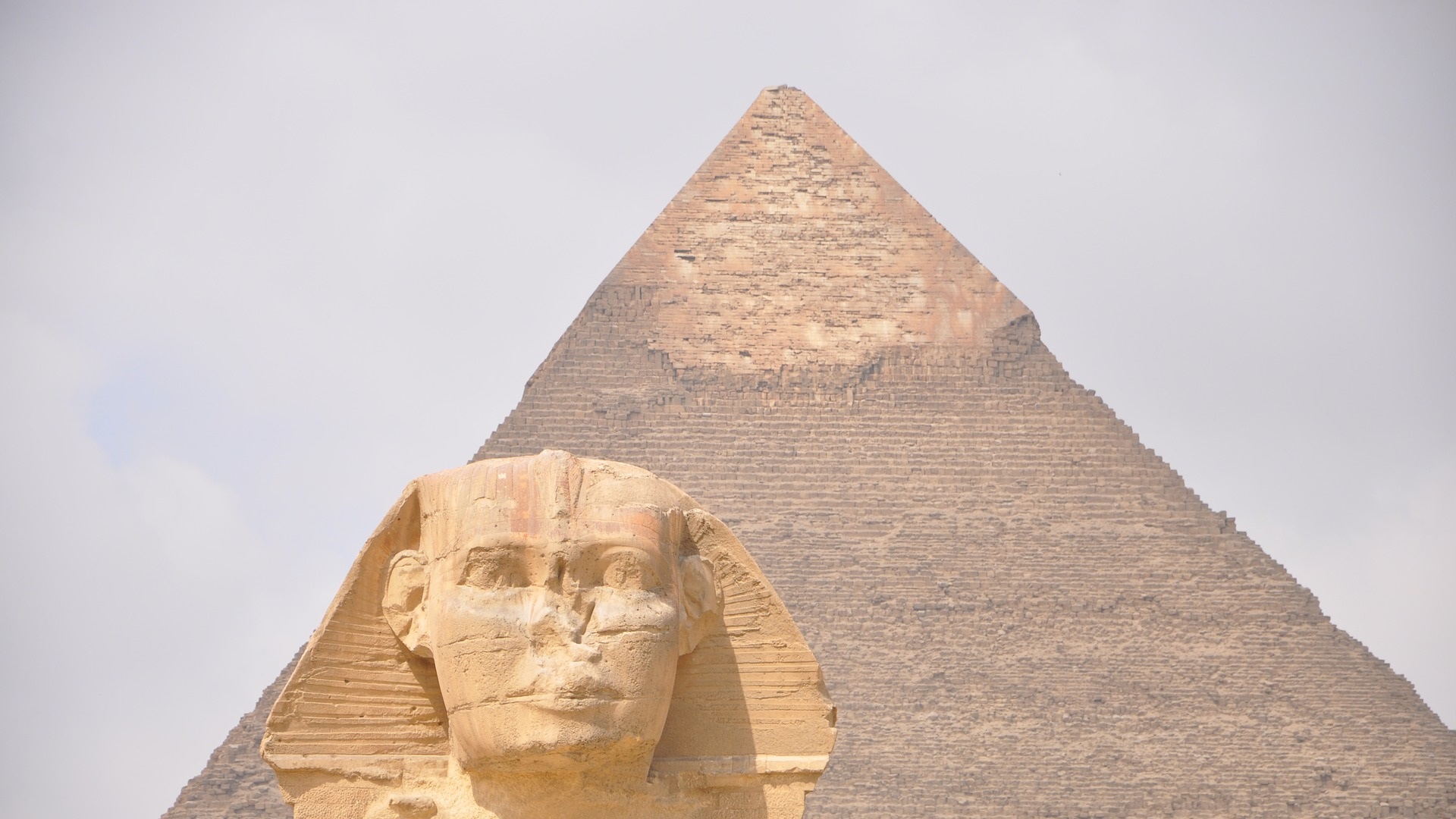
- Missing casing stones: The pyramids we see today are the inner core structures. They were originally covered in a polished, white limestone casing, which made them gleam in the sun. Over centuries, most of these outer stones were either stripped away or fell off due to natural events like earthquakes.
Gallery:



Add comment